

Specsavers Partner with Canadian Council of the Blind

Specsavers announces that it has become a Participating Gold Sponsor of the Canadian Council of the Blind (CCB), whose mission is to improve the quality of life of people who are blind, deaf-blind or living with low vision through efforts that support individuals and communities.

The Canadian Council of the Blind (CCB) is a membership-based not-for-profit organization that brings together Canadians who are blind, deaf-blind or living with vision loss through chapters within their own local communities to share common interests and social activities.

The CCB was founded in 1944 by blind Canadian war veterans and schools of the blind. The national office is located in Ottawa with over 80 chapters across Canada. The CCB is the largest membership based organization for the blind in Canada and is known as the Voice of the Blind™

“We at Specsavers are delighted to partner with the Canadian Council of the Blind, an organization that shares our values, to support their important work, and encourage Canadians to take care of their eye health,” said Bill Moir, Managing Director of Specsavers Canada.

CCB’s objectives include promoting measures for the conservation of sight and the prevention of blindness for all. Specsavers shares this objective, as demonstrated by its standard of care for patients and the use of advanced technology.

“We are thrilled to announce support from Specsavers as we advocate for better quality of life for those with vision loss,” said Jim Tokos, National President of the Canadian Council of the Blind. “Over 1.2 million Canadians are blind, deaf-blind or partially sighted, and the number of Canadians living with vision loss is growing every day. It is necessary that our community has the support of organizations with shared values, who are at the forefront of eye care and share our commitment to conserve sight for all.”

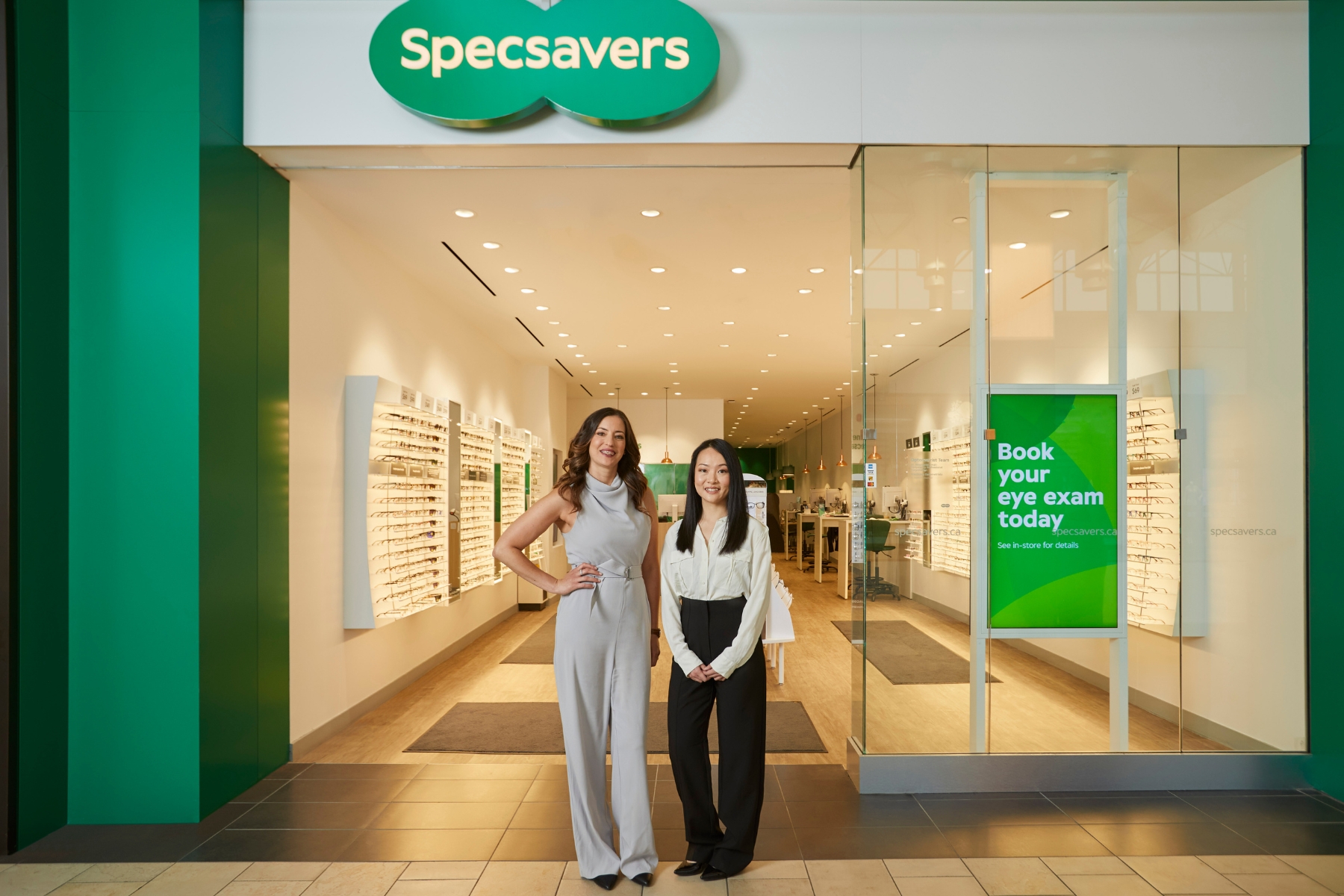
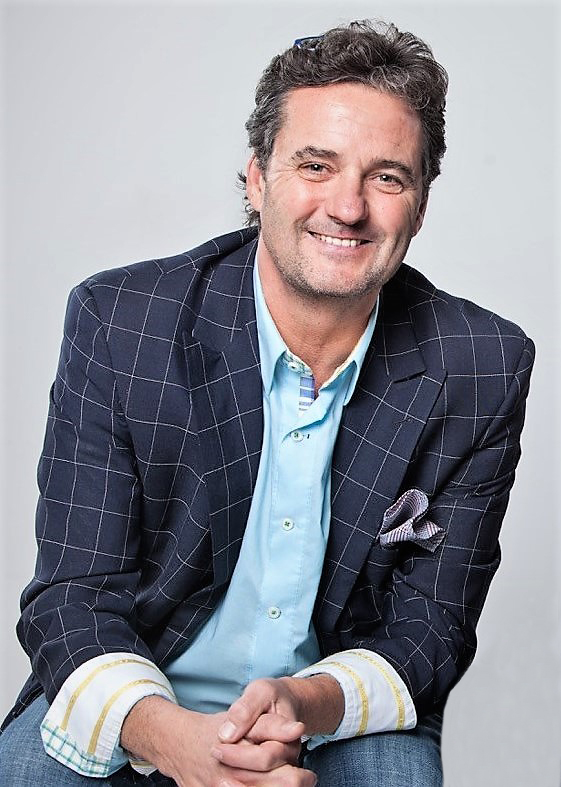
Front Row (Left to Right): Jim Tokos (CCB National President), Dr. Hiba Mannan (Specsavers), Naomi Barber (Specsavers), Sarah Gardiner (Specsavers), Jim Prowse (CCB Executive Director), Dr. Jestyn Liew (Specsavers), Dr. Jas Nagra (Specsavers) Back Row (Left to Right): Curtis Buckroyd (Specsavers) and Mark Walker (Specsavers)


Share:
Rate:

0 / 5. 0

Optometry Diversification

Thriving in today’s competitive optical retail environment requires constant attention and innovation.  Independent eye care practitioners are facing increased online and budget bricks-and-mortar competition. Big box and even grocers and pharmacies are competing for optical retail product revenues. How do clinics thrive in this environment? How can they grow revenues? The answer:  Optometry diversification of your revenue streams.

Here are some of the evolving opportunities.

Medical Model
The scope of optometric practice continues to expand providing optometry diversification opportunities. Optometrists can prescribe a variety of topical and oral therapeutic pharmaceuticals for an ever-widening scope of pathologies. Potential future scope expansion may include the use of lasers or other nouveau procedures.

There is high prevalence of macular degeneration and glaucoma in our patient populations. Diagnosing and managing treatments of these diseases can indeed provide consistent revenue streams into the future.

Unfortunately, many optometrists, despite having the requisite scope to treat these diseases, refer the patient for treatment to their local ophthalmologist’s office. Macular wellness centres and efficient management of glaucoma can be quite professionally satisfying while fulfilling a need in the medical eye care community.

In many instances, patients appreciate the elevated level of care despite the requirement of private pay in many instances. Keeping these patients in the optometry universe allows for continued refractive and ancillary care such as dry eye services while adding to the practice’s profitability.

Diversify through Practice Niches
Vision therapy, Dry Eye centres, Myopia Management, Low Vision, AMD wellness and optometric aesthetics are examples of growing business divisions within optometric settings. When incorporated in an efficient manner through delegated effective treatments, these services can be very accretive to optometric practice profitability.

The need for skilled optometrists in these subspecialties is growing. Care for these patients is making tangible improvements in patients’ vision and their lives. It is important to treat each of these business divisions as unique with separate budgets, with training costs and bonuses attached to each.

Incentivizing a key staffer as a “Champion” of the specialty can assist in training and marketing to promote the service to the public and to referring optometrists, ophthalmologists, and other health care practitioners.

Sunglasses, nutraceuticals, and dry eye products
Optometry Diversification opportunitiesRetailing all the products that can help improve and preserve vision is important. These optometry diversification opportunities help raise revenue per patient while increasing the “mind space” that allows your patient to think of you and your offerings when it comes to eye care and eyewear.

Providing readily accessible high quality products through an omnichannel strategy can improve patient outcomes and bottom line profits. E-Commerce should be readily accessible through the office’s online portals to allow easy reordering.

Consider a subscription strategy to improve affordability perceptions and smooth out revenues over time. We use Avocado lenses for contact lens subscriptions. If carrying various products is too onerous as a new or smaller clinic, consider partnering with retailers to share profits such as “The Drop Shop”. This strategy eliminates stale dating of products while still being able to offer a wide product array.

Professional fees versus Commodity products
Your professional fees for services should be commensurate with your education and offerings. My standard recommendation for struggling practices is to raise your professional fees and annually increase them in order to keep pace with inflation.

The Golden Rule is to wow every patient with world class service, care and technology. When retailing products, ensure the products are lower or within 10% of exactly the same product found in other retail settings. If coming closer to your competitors’ pricing is too challenging, consider choosing products not readily available in big box and online channels.

Consider including budget options to compete with online or low-cost operators while still providing boutique and premium products as a primary offering. Gaining and retaining trust is of utmost importance for independent offices. Misrepresentation of our intent will continue and intensify by retail entities looking to crush independents.

Audiology
In three of our five clinics, we have integrated hearing services. This symbiotic relationship with the vision and hearing clinics allows for economies in practice through sharing of resources.

Hearing services can provide additional sources of revenue for optometric practices while offering patients access to this much needed service. On average, patients with hearing loss take seven years to seek help thus reducing their rehabilitative capacity and reducing their enjoyment of life.

Marketing
The battle for our patients will continue. As an independent will you tolerate direct to patient competitors that still supply high margin product to optometrists?

When will Independent practices refuse to be led down the garden path by multinational conglomerates looking to monopolize via an omnichannel strategy?

As an independent optometrist it is crucial to invest in internal and external marketing. Guerrilla marketing will allow one to compete with a nimbleness that the big companies cannot match. SEO, digital marketing, word of mouth campaigns and low cost social media outreach are pillars of the independent optometric strategy.

Pursuing these optometry diversification opportunities will benefit practice profitability.

View other articles from Dr. Miranda.


2024 Trevor Miranda

DR. TREVOR MIRANDA

Dr. Miranda is a partner in a multi-doctor, five-location practice on Vancouver Island.

He is a strong advocate for true Independent Optometry.

As a serial entrepreneur, Trevor is constantly testing different patient care and business models at his various locations. Many of these have turned out to be quite successful, to the point where many of his colleagues have adopted them into their own practices. His latest project is the Optometry Unleashed podcast.


Share:
Rate:

5 / 5. 2

Achieving a 3-year growth rate of 65% in a hyper-competitive market is no small feat. This kind of success requires a consistent approach in staffing across the entire organization – hiring people who uniformly represent their brand and their values. This is a particular challenge when the owner-operators are all highly skilled eye care professionals, not Human Resource specialists. This is exactly what FYidoctors has achieved.

FYidoctors’ challenge wasn’t identifying the applicants who were simply ‘qualified’ based on licensed credentials or experience; it was identifying the applicants who were the right people for the job. Those who had the essential qualifications, but also the essential characteristics to fit well and contribute to the FYi brand. They needed a way to find the people in the applicant pool who shared FYi’s personality, standards, and client-first ethos. People who could be trusted in those ‘moments of truth’ to do the right thing – even when no one was looking. They also needed to be able to apply that same standard at every location across the country.

Getting Started

FYi’s staffing model consists of eight positions at each clinic. While some roles require optometric or opticianry certifications, others are more clerical, client support, or sales-focused.

The Fit First partnership with FYi began as a pilot, with approximately a dozen clinics drawn from markets across the country, where the owner had volunteered to participate. To understand the behavioral profile of FYi’s top performers, we used the TalentSorter® platform to isolate the elements that made them such great exemplars of the FYi culture.

We analyzed the data and developed a template of the behavioural patterns of the ‘ideal candidate’ for each of the eight jobs at each clinic. Each of these patterns fused together traits and characteristics specific to the role itself (clinical vs. more consultative sales-focused, for example), with other traits that reflect and reinforce FYi’s cultural values: emotional intelligence, soft skills, and compassion. We knew if we could guide them reliably to the right people in the applicant pool, who also had the necessary credentials, the team at each clinic could reliably leverage the system to make better and more consistent people choices.

Shifting into Action

The eight behavioural templates were loaded into the TalentSorter® platform that was configured for independent use by each location. TalentSorter® allowed FYi’s opticians to effortlessly post and advertise open positions, manage the application flow, assess each applicant’s behavioral ‘fit’ in the role they were applying to, and sort their entire applicant pool by FitScore®. Simply put, the applicants whose behavioral profiles most closely matched the ‘ideal’ appeared at the top of the stack.

"TalentSorter has been a great tool for us when hiring employees. The FitScores of applicants have proven to be very accurate and in line with performance ratings. It provides me with valuable insight into potential hires and helps me determine which to bring in for interviews. The interview questions in the reports are great guidelines to help me dive deeper into areas where I need to learn more about the potential fit of an applicant on our team. Overall, my experience with TalentSorter has been terrific.

– Patti, FYidoctors Owner-Operator

Results

Feedback from users was that the system started saving them time right away. Owners spent less time in interviews and instead spent their time with better people. New hires onboarded faster, fit in better, were productive sooner and stayed longer. Locations in tight labour markets reported that though they received fewer applicants, they were of far higher quality.

Significantly, when looking across the network, we discovered the most successful locations, with the lowest turnover, were also the ones that were having the highest ratio of candidates completing the assessment. Based on that finding, FYi made TalentSorter® a mandatory tool. Since then, they have used TalentSorter® to assess over 8,500 applicants.

Success

In September 2022 FYidoctors was named among Canada’s top growing companies, with more than 375 clinics across the country. Doctor-led, professionally managed, and patient-focused, the organization concentrates on delivering outstanding eye care and medical aesthetics treatments along with patient-centric products and services.

At Fit First Technologies, our mission is to make hiring practices and career discovery easier, more human, and more effective for everyone. The executive team has extensive knowledge and understanding of HR, employee engagement and retention, human analytics, and computer science.

Our suite of cutting-edge products and proprietary software is used by thousands of businesses, educational institutions, workforce development agencies, and job seekers every day. Our technology opens new doors for job seekers, students, and even those who face employment barriers. Our ultimate goal is to enable a more functional, efficient workforce ecosystem for everyone.

If you are interested in more information on how our platforms can work for you, please feel free to reach out to us at info@fitfirsttech.com or call 1-800-513-7277 (toll free).

TIM BRENNAN

is Chief Visionary Officer with Fit First Technologies Inc, the creators of Eyeployment, TalentSorter and Jobtimize.


Share:
Rate:

5 / 5. 1

Twenty years ago, I thought practice owners investing in a website was silly. Afterall, don’t most patients ask a friend or relative for a referral? Who would ever choose a practitioner just from a website? I could not even imagine other platforms such as LinkedIn, Instagram and Facebook could shape and influence us.

Today, if you don’t have a website, you are seen as a dinosaur. Patients are interested in knowing more about you and your office. The pandemic taught us the importance of staying together. On a side note, my 92-year-old mother, who never used a computer in her life, grabbed onto a tablet and started surfing the net. She even has an Instagram account.

Your presence on social media is important.
Google reviews are important. Social media by itself is not enough to drive growth but social platforms can help you connect with your patients, increase awareness about your brand, and boost not only new patients but keep the ones you have informed, connected and loyal.

Think of social media as another way to communicate your authority. In general, people are increasingly savvier and more discerning about which businesses they support. Before deciding, they will do a quick search to browse your website and social media. When they do, what will they find, a generic site or something that is a rich source of information? It is very important to not only set up robust profiles but to also update your site frequently with relevant content. This goes a long way to building your brand’s authority and making sure you make a positive first impression through social media, showing that your office is trustworthy, knowledgeable, and approachable.

Sometimes, a seemingly simple social media post, such as one promoting a charity initiative or team members having some fun in the office, can receive several likes, comments, and shares. Remember, with social media you get to tell your own story. Having an online presence on any of the social media forums like Facebook or Instagram is a great way to interact with your audience and to really connect with them on a personal level. Through these platforms, you are given the opportunity to inspire through your success or past failures. Social media is a place where interacting with your audience gives you more exposure and helps you better understand your audience and as a result, your patients. Stories help show people how relatable and personal you are. Consistency is also key.

Social media opens the conversation for instant interaction, relationship building, and customer loyalty. It gives you the opportunity to demonstrate your expertise as a leader in your neighbourhood or community. Sharing information on various health issues helps people see your expertise and helps with the building of confidence and trust. Social media allows you to let your personality shine through everything you share. Your authenticity has an opportunity to be seen. And to make sure that your story is heard and spreads at a faster rate, you might want to work on your content so that it is appropriate enough to impress the audience.

On a final note, it is critical that you define what you want to get out of social media and to develop a social media strategy. Do you want new patients to discover your services? Do you hope to generate referrals from existing patients? By keeping your strategy specific, you can determine which social media channels are the best fit for you and your practice.

From my experience, the number of doctors I have met via Instagram is incredible. Please follow me @jackie_joachim_. I would absolutely love to connect!

Jackie Joachim has 30 years of experience in the industry as a former banker and now the Chief Operating Officer of ROI Corporation. Please contact her at Jackie.joachim@roicorp.com or 1-844-764-2020.

Jackie Joachim, COO ROI Corp

JACKIE JOACHIM

Jackie has 30 years of experience in the industry as a former banker and now the Chief Operating Officer of ROI Corporation. Please contact her at Jackie.joachim@roicorp.com or 1-844-764-2020.


Share:
Rate:

0 / 5. 0

Optometry Student Debt

The Adulting 101 two-part series made mention of cash flow and debt. Let’s turn our attention to what is likely the greatest debt you have coming out of school: optometry student debt.

This isn’t all glum, however; as there has been some good news in recent months.

Many Forms of Student Loans

There are three general types of student loans, four if we include family loans.

The first source of funding is often the Canada Student Loan program. This is administered nationally and falls under the National Student Loans Service Centre (NSLCSC).

The second source of student funding is often provincial. These loan programs differ from province to province.

The third is a student line of credit from your financial institution.

Organizing your Debt
Optometry student debut, like all debt is a weight on your back so getting a plan to shed that weight is key. You want to get the final values of each of your debt types, when repayment is required to begin, the interest rates that apply and the minimum monthly payment information.

Understanding the terms of each type of debt will help you prepare your plan for repayment.

Provincial Student Loans
Most provincial plans offer a six-month grace period after your study period ends. This grace period is designed to provide you time to start working and generate an income before payments need to begin. This is ideal for most optometrists because of the delay from study period end until licensing.

You will want to review the website of your provincial plan for further details and to see if such a grace period applies.

National Student Loans
Perhaps the best news to come about in the student loan system in decades is the permanent elimination of the accumulation of interest on Canada Student Loans effective April 1, 2023.

If you graduated prior to April 1, 2023, you will still be responsible for paying any interest that accrued prior to April 1, 2023.

The NSLCSC also provides a six-month grace period before repayment begins.

There are also several provinces that have integrated programing with the NSLCSC. It’s a web site chock full of information that is worth your time to review.

 Student Line of Credit
Financial institutions are typically not as kind on repayment terms. Most banks love optometry students because they have a great need for additional funding and a great track record of repayment. This makes optometrists a good bet for lenders.

That doesn’t mean you should take unlimited advantage of the lending being offered to you. They still charge interest and over time that interest adds up.

Creditor Insurance
Many lenders will offer you life and disability insurance on your loan. This might seem like an easy option to have, but creditor insurance is designed to ensure that the lender gets repaid and doesn’t offer you any long-term flexibility. You can often secure individually owned insurance at similar rates with better coverage. Speaking with your financial planner will ensure you set up the right coverage for your needs today and tomorrow.

How I Eliminated My Student Debt
Personally, I hated having student debt and needed to get rid of it before I could move forward with a business purchase loan or home mortgage.

My key was to continue to live like a student until my bank, government and family student loans were paid off.

This strategy allowed me to eliminate my student debt within 18 months of graduation. Keep in mind, I didn’t purchase my first car until after I purchased my practice. I kept the focus on my career and had a disciplined repayment and savings strategy.

Best Advice
Everyone’s priorities and situation are a little different. Working with a financial planner will ensure that all aspects of your goals and current financial situation are taken into account. Your planner will be able to map out a repayment schedule that allows you to tackle your optometry student debt on your desired time horizon in a tax and interest rate efficient manner.

Read more of Dr. Arnal’s advice on building wealth and personal freedom.

Advisory
As your Chief Financial Officer, I am here to help guide you through the various adult decisions you will need to make and the next steps you will be taking. Helping you understand your money and assisting you in making smart financial decisions about your debt repayment, insurance protection, tax management and wealth creation, are just some of the ways that I work as your fiduciary.

Have more questions than answers? Educating you is just one piece of being your personal CFO that we do. Call (780-261-3098) or email (Roxanne@C3wealthadvisors.ca) today to set up your next conversation with us.

Roxanne Arnal is a former Optometrist, Professional Corporation President, and practice owner. Today she is on a mission of Empowering You & Your Wealth with Clarity, Confidence & Control.

These articles are for information purposes only and are not a replacement for personal financial planning. Everyone’s circumstances and needs are different. Errors and Omissions exempt.

ROXANNE ARNAL,

Optometrist and Certified Financial Planner

Roxanne Arnal graduated from UW School of Optometry in 1995 and is a past-president of the Alberta Association of Optometrists (AAO) and the Canadian Association of Optometry Students (CAOS). She subsequently built a thriving optometric practice in rural Alberta.

Roxanne took the decision in 2012 to leave optometry and become a financial planning professional. She now focuses on providing services to Optometrists with a plan to parlay her unique expertise to help optometric practices and their families across the country meet their goals through astute financial planning and decision making.



Share:
Rate:

5 / 5. 1

Finding good people is a challenge for all businesses these days. Specifically for optometric owners, it is increasingly difficult to attract and retain associates. There are many more opportunities for new graduates and current associates that may appear more attractive than joining or continuing to work at your optometric clinic. Henry Ford once said, “coming together is a beginning, working together is a process and staying together is success.” In this article, I will look into ways to improve engagement and retention of associate optometrists. Warren Buffet said, “being committed to each other’s success is a true partnership. It’s an emotional alliance.” You may not be partners in a legal sense but embracing a partnership mentality with all members of the team is crucial to success.

Profitability

It is important to run a profitable practice. High spectacle and contact lens capture rates, sub-specialty offerings such as VT, Dry Eye, Myopia Management and Low Vision; selling sunglasses and nutraceuticals can improve profitability. In this way, you can invest in your people, processes, equipment and working environment. It is important to mind all the key performance indicators such as Cost of Goods, Revenue per Patient and Revenues per day. Without benchmark measurements of these KPIs, one cannot manage to improve. Our associates are more attractively compensated because the revenues per patient are significantly higher than the industry median. Financial compensation is not the only criterion to consider when thinking about staying but it is a very important factor. New graduates are often saddled with debt for many years and they deserve to be well compensated. Other entities are enticing your current associates with promises of lucrative financial compensation. It is also important that the shareholders get paid as well. This makes sure that the business EBITDA is healthy and associates can consider how attractive it is to become a real partner. It is also helpful to guarantee an average minimum per day wage. This gives the associate optometrist peace of mind that they can afford to stay with your clinic and puts the onus on practice owners to keep the associate “busy”.

Mentoring

Associates need mentoring and feedback. Teach them what the expected clinic sales process is. Systematize all processes to ensure expectations are clear and patient care is consistent. We recommend handoffs from the exam lane to the optician to be able to outline the recommended doctor treatment plan to the patient and the optician at the same time. Share relative practitioner KPIs and provide feedback to improve capture rates and revenues per patient metrics. In our clinics, all patients get a quote and consultation. We also have a bonus program with our associates. This is based on the net profitability of the practices. It encourages associates to habitulize sales processes and “smart” patient recommendations that benefit both the patient and the practice.

Collaboration

Everyone wants to be heard in the workplace. Associate optometrists are no different. Collaborating with your associates starts with great communication. We use Slack App to provide clinical support in real time, feedback and advice. We include all our optometrists in the weekly staff meeting and quarterly doctor meetings. We have a formal review process annually where we inquire about their short, mid and long term goals and how we can provide support to help them achieve them. Despite the associates not owning the clinic, we request feedback for all major clinic purchases and operational decisions. We ask for what the associate’s ideal schedule is and try hard to accommodate their requests. A profit sharing program incentivizes the associates to be flexible when it comes to supporting clinic production and maximizing schedules. We are transparent with the financial metrics of the practice, thereby encouraging an “owner’s mindset”. Encouraging associates to grow their skill set through mentorship is also attractive to younger practitioners and they look to expand their skill set.

Generational Gap

Quit whining about the Millenials and Gen Z! Get to know their motivations and try to accommodate them. Part time schedules, parental leave, travel opportunities, learning and having fun at work are all important components to attracting these generations of ODs. Why begrudge doctors that want to enjoy themselves along the way and not wait until retirement age to do what they want to do?!

Pathway to Ownership

It is prudent to have a pathway to ownership. Consider creating a clear and transparent pathway. Junior partnerships and opportunities for helping on the management side are also highly valued. It is crucial to target great people to join your clinic and then do everything to keep the amazing people happy and well. We hired a Director of Wellness and Experience who is tasked, amongst other roles, to help with the wellness and experience of our doctors! Get rid of associates that counter your culture of sharing and exceeding patient expectations and who don’t contribute to staff morale and workplace satisfaction. Not all great associates make great partners but all great people make great associates.

Servant Leadership

It is important to lead by example. The last shall be first is theological teaching but so true in business management. The concept of “servant leadership” is where as an owner you share in the challenges of the clinic. Working some evenings and Saturdays, valuing everyone’s contributions, and understanding family and kids come first are crucial to being a clinic that associates will find attractive. It is important that owners choose their attitude at work. Setting a positive tone, being calm and having emotional control are vital. Containing overt disappointment is always prudent. There is a time and place for honest feedback and it often isn’t when you’re upset and frustrated.

Culture is Crucial

Building and maintaining an attractive culture is imperative to optometric success. This makes work seem like it isn’t “work” and is a fun and enjoyable place to help patients see better while getting paid. Doctors will be attracted to staff and other doctors that share the concept of a great office culture. As an owner, it is your job to call out counterculture attitudes and activities and to foster an environment that provides support, care and fun for all teammates. All optometrists want to find their dream practice; why not make it your practice?!


2024 Trevor Miranda

DR. TREVOR MIRANDA

Dr. Miranda is a partner in a multi-doctor, five-location practice on Vancouver Island.

He is a strong advocate for true Independent Optometry.

As a serial entrepreneur, Trevor is constantly testing different patient care and business models at his various locations. Many of these have turned out to be quite successful, to the point where many of his colleagues have adopted them into their own practices. His latest project is the Optometry Unleashed podcast.


Share:
Rate:

0 / 5. 0

A few months after opening their doors as the first Specsavers location in Toronto, Dr. Jestyn Liew, optometry partner, and Rita Charchyan, retail partner, reflect on their entry into the GTA, with the help of their experienced team.

Q: How has business been since opening your doors at Specsavers CF Fairview Mall?

Dr. Liew: Rita and I have been thrilled to see the large rush of people coming from all around the GTA to our store. People are excited to experience Specsavers. I believe that affordable, quality eyewear is an important part of this excitement, especially in our current economic climate.

And since opening my clinic within Specsavers Fairview, the consistency of eye exam bookings has been fantastic – especially considering we are building a brand-new patient base. I’m proud to deliver quality and comprehensive care to my patients.

Rita: Being the first Specsavers location to open in Toronto has been incredibly rewarding, and we’ve had a great start with 30% more traffic than Dr. Liew and I had anticipated.

Q: How has your experience partnering with Specsavers been?

Rita: My experience with Specsavers has been amazing. I’ve always had a goal of owning my own business, but there was concern about the pressures that come with being an entrepreneur. With Specsavers, I feel I have an incredible amount of support behind me, for which I am grateful. I’ve found the best partner in Dr. Liew and working with the Specsavers support office has helped bring us together as a team even more. I consider myself lucky to be in this position.

Dr. Liew: Before exploring partnership, I knew very little about Specsavers other than the tag line “Should’ve Gone to Specsavers” from viral content online. Although the Canadian partnership model is different, I spoke with a lovely Specsavers partner in Australia about the support, culture, and purpose; I felt my questions were answered. I’m truly appreciative of the support I receive from Specsavers, including those who helped lay the foundation for us when we first opened our doors. Being in a partnership means that we’re working together to reach a common goal, so we’re always sharing our feelings and ideas to help us get there.


Dr. Liew, OD and Rita Charchyan, RO, partners of Specsavers CF Fairview Mall Toronto

Q: What inspired you to become a business owner?

Rita: I come from a family of entrepreneurs and my father was my role model growing up. What stands out to me about Specsavers is their philosophy and values to make eyecare and eyewear accessible to all, aligned with my own.

Dr. Liew: When I started working as an associate optometrist in Canada, I’d always try to find ways to improve processes in the clinic – whether it was for the patients, doctors, or team. Often, everyone was stuck in their own place, and my changes would not be implemented. My better half was the one who pushed me to consider becoming a clinic owner to conduct business on my own terms.

Partnership with Specsavers checks many boxes. I was able to own shares of an optical retail store with a retail partner and start my own independent clinic at the same time. Financially, the opportunity made a lot of sense. Layering this with their excellent technology, investment in their partners and patients, and marketing, makes Specsavers incomparable.

Q: What, if any, barriers stopped you from starting your own business sooner?

Dr. Liew:  Before, my main concern with opening up a clinic of my own was always how it’d affect my family’s quality of life. With Specsavers, the start-up cost contribution and partnership model mean that a lot of the uncertainties and challenges of opening a business reduced. The timing and opportunity were right for me to proceed.

Rita: I always wanted to start my own business, so I was excited by the opportunity to minimize my start-up costs of ownership. It means I can focus on growing my business.

Q: What are you hearing from patients and customers at your location?

Dr. Liew: Our patients love all the technology in the clinic. Very often, we will get comments that certain testing or use of technology in their standard eye exam is new for our patients.

We’ve also seen a large number of Specsavers customers who lived in other markets, such as the UK. They’re so happy to see that Specsavers, a brand they know and trust, is in the Canadian market.

Q: What would you like to tell someone considering joining Specsavers Fairview Mall or elsewhere in the Specsavers network?

Rita: For anyone considering Specsavers, I’d say that you’re not joining a company, you’re joining a big community! When we were first exploring and considering Specsavers, I reached out to a Specsavers partner in Australia, who said ‘just do it!’ It’s a great place to be, it’s very rewarding and you have constant, positive support.

Dr. Liew: For any doctors thinking of starting their own independent clinic and partnership with Specsavers, I’d encourage you to talk to a local partner. We all share a common goal of helping our patients see their best by providing quality eyecare. If you want to join a network of like-minded doctors, pop over and have a chat!

For potential staff, eyecare consultants and opticians, you’ll be joining a hard-working and caring team. Each location is like a community, and we are here for each other.

Find out if partnership with Specsavers is for you. Reach out to the Specsavers Partnerships Team at enquiries.ca@specsavers.com.

 This Post is Sponsored by Specsavers.


Share:
Rate:

0 / 5. 0

THE AFZ is ignoreed

It’s time for us all to stop dancing around a critical issue and discuss the unmentionable. Ask yourself – are your employees, especially managers, serving you well or holding you back?

Here’s the deal. There’s a widening gap between what we ask our staff to do and where their real value lies, and in a market where attracting, engaging, and retaining talent has become a critical strategic imperative for so many organizations, we must stop politely looking the other way.

Most Managers are Good People
This is especially important for the managers. Your practice may have an official office manager by title or one that is appointed a leader amoung equals.  And, many of these are great people who churn out consistently superior results.

They share one important thing in common: they are managers of people, stewards of the human element first and doers of tasks second.

They focus on optimizing the fit and chemistry within the team and are obsessive about maintaining respectful, supportive relationships, both individually with each member of their team and among members of the team. There’s no room for misalignment, cross purposes, or unhealthy conflict on a winning team. They are masters of relationship and fit.

Yes, I said it “AFZ”
Let me say that again – the primary role of a manager must be that of master of relationship and fit. If an organization is serious about keeping their best people and engaging them fully, one key imperative must be to create and maintain an AFZ (Asshole-Free Zone).

It’s not terribly technical, but everyone understands and identifies immediately with the concept and its importance. We have all experienced working with a great manager and with a not so great manager at different points in our career, and we can quickly identify how our energy, productivity and commitment to excellence was different in each circumstance.

Your managers will make or break you. They are either talent magnets, or talent repellent. You probably also know who falls into which camp – and if you don’t, it’s not hard to find out.

Check your turnover rates, your your error rates, your attendance records, the comments about your company on Glass Door, or better yet, have a coffee with some of your folks and ask them straight up. Always do an exit interview.

An astonishing number of organizations we speak with know exactly who their ‘problem’ managers are, and yet they rationalize it. They turn a blind eye to the problem, ignoring it entirely.

‘Bob’s been here since day one, he knows our whole process is technically very sound’, they might say, or ‘I know he’s hard to get along with, but … [insert excuse #23]’.

Don’t kid yourself. The costs of failing to maintain a firm AFZ policy are all over your P&L; you just need to have the eyes to see them.

TIM BRENNAN

is Chief Visionary Officer with Fit First Technologies Inc, the creators of Eyeployment, TalentSorter and Jobtimize.


Share:
Rate:

0 / 5. 0

Adulting

As I sit here in the airport between flights, on my way home, from speaking with the students at the University of Waterloo, School of Optometry & Vision Science, I’m still running on the high of their energy and enthusiasm for the future!

So, in the spirit of the presentation, this two-part article is a great summary for everyone who wasn’t able to make it, and for those who would just like a brief recap!

Part 1: Setting up your Life and Career

The Infinity Circle that is Your Financial LifeThe Infinity Circle that is Your Financial Life

It all starts with You! You will earn an income – You will have expenses, and the greatest of these over your life will be TAXES (search YouTube or Facebook for the fun 30 second clip of Dony playing Monopoly). The goal is to keep your expenses less than your income so you can generate excess cash.

Excess cash that can then be used to purchase businesses. Businesses like your own clinic, commercial property, or profitable, well established market investments. These businesses will also earn revenue and manage expenses to create excess cash that can be used to reinvest in the business and provide you with an income such that, over time, the circle on the right replaces your need to actively work. That is what we call Financial Freedom.

Earning an Income and Contracts

Most young ODs will start their career as associate doctors. When reviewing various contracts, it’s important to be aware of some key questions to ask and terms to negotiate:

  1. When and how often are you expected to be present to see patients?
  2. How are patients going to be booked with you? Are you given all new patients? Is your schedule filled only after the senior doctors are fully booked two weeks out? Are the support staff eager and encouraged to book appointments with new doctors?
  3. Are there any dispensing or product sales quotas or targets?
  4. How is your renumeration calculated? If you elect to have a future ownership stake in the practice, will you be given any goodwill credit?
  5. Are there current and past contracted doctors that you can speak with? You will want to know the ease with which clinical days are filled with patients, what kind of patients, and any other expectations that they discovered while working there that weren’t discussed ahead of time.
  6. Are there any non-solicitation clauses on exit regarding patients and staff? Do you understand them and the penalties that would apply if broken.
  7. Are there any non-compete clauses? In most cases where you will not have an ownership stake in the business, these are often removed or restricted to a small and reasonable area and time frame as many have been challenged in court.

Sweetening the Deal

Often today you will see signing enticements such as a “golden handshake”, “loan forgiveness” programs, moving allowance, etc. You can negotiate these, but you should also understand when such payments will be received and any repayment terms if the relationship doesn’t work out.

I want to remind you that nothing is ever free – so be sure you understand the strings attached.

It’s Not Work-Life Balance because it’s all Your LIFE

I’ve never been a fan of the term work-life balance. It’s all your LIFE – so it should bring you joy.

We have created a Lifestyle Desires Checklist specifically for young ODs that takes a deep dive into your personal wants for your life (as you see it now), your professional wants, and then you will need to prioritize them.

The checklist also covers off considerations around different geographical locations and what they have to offer based on what you love to do, such as mountain biking, kayaking, attending the ballet.

And lets not forget to cover off how you ideally want to practice; everything from the number of hours you want to commit to clinic time, as well as ease of vacation opportunities and future education.

This checklist* is designed for you to get clarity on what is truly important to you as you head out into that Adult World!

*To download the checklist, please visit our website @ c3weatlhadvisors.ca. It is located under the resources tab.

Practice Culture and Locale Lifestyle

Consider spending some time at practices you are considering joining. Culture matters and you’ll want to get a good feel for the community.

  1. How do team members interact?
  2. What types of patients are typically seen at the office?
  3. How does the office handle patient needs that are beyond a “basic eye exam”?

It is important to understand the community into which you are choosing to practice and are considering living in, as this will enrich your life outside of the clinic.

Related Read
This is a two-part post. Here is part 2.

Adulting 101: Part 2


Advisory

As your Chief Financial Officer, I am here to help guide you through the various adult decisions you will need to make and the next steps you will be taking. Helping you understand your money and assisting you in making smart financial decisions about your debt repayment, insurance protection, tax management and wealth creation, are just some of the ways that I work as your fiduciary.

Have more questions than answers? Educating you is just one piece of being your personal CFO that we do. Call (780-261-3098) or email (Roxanne@C3wealthadvisors.ca) today to set up your next conversation with us.

Roxanne Arnal is a former Optometrist, Professional Corporation President, and practice owner. Today she is on a mission of Empowering You & Your Wealth with Clarity, Confidence & Control.

These articles are for information purposes only and are not a replacement for personal financial planning. Everyone’s circumstances and needs are different. Errors and Omissions exempt.

ROXANNE ARNAL,

Optometrist and Certified Financial Planner

Roxanne Arnal graduated from UW School of Optometry in 1995 and is a past-president of the Alberta Association of Optometrists (AAO) and the Canadian Association of Optometry Students (CAOS). She subsequently built a thriving optometric practice in rural Alberta.

Roxanne took the decision in 2012 to leave optometry and become a financial planning professional. She now focuses on providing services to Optometrists with a plan to parlay her unique expertise to help optometric practices and their families across the country meet their goals through astute financial planning and decision making.


Share:
Rate:

0 / 5. 0

If you are anything like me you probably can’t imagine a world without some form of vision correction – whether it be glasses, contact lenses or even refractive surgery. Personally, I have been wearing glasses for myopia since the fourth grade. I didn’t realize I had a problem with my distance vision until my first eye exam; this was the first time I could literally “see” the difference placing a plastic lens in front of my eyes could have on my perception of the world.

Refractive error, as it pertains to the human eye, describes an aberration in the visual system that produces unclear or blurred images. There are many types of aberrations that may occur in one’s visual system and traditional lenses are limited in the degree and type of aberrations which they can correct. Additionally, disease, infection or functional abnormalities may also affect visual acuity and are important aspects to investigate if one’s vision is poor.

Today it is easy to undergo an eye exam and obtain spectacle lenses to correct for one’s own unique visual impairments. With the use of the phoropter and a systematic methodology combining both objective and subjective data, an optometrist can diagnose their patient’s refractive error with great accuracy in a relatively short period of time. This methodological process is termed Refraction, and is best described as both a science and art.

Refraction is Both Science and Art

The science of refraction involves the ways in which a lens placed in front of the eye may alter the quality of the images produced by the brain. The art of refraction involves providing a patient with a prescription that considers their specific and unique visual issues and aids in improving their vision by correcting for those unique issues.

In most Provinces and Territories, the ability to perform refraction is limited to optometrists, refracting medical doctors and ophthalmologists. However, many opticianry school programs have begun to incorporate both theory classes as well as practical training in Refraction into their programs. The inclusion of such classes will help increase the depth of understanding in dispensing, visual optics and the physiological functioning of the eye among new opticians, while additionally providing novel avenues for potential revenue; especially if there is a change in the opticians’ scope of practice in more Provinces, allowing for stand-alone vision tests similar to British Columbia and Alberta.

Outside of vision testing, knowledge of Refraction may be beneficial to opticians who perform contact lens fittings. A sound knowledge of refractive methodology will make sphero – cylindrical over refraction (SCOR) an easier task and allow the optician who performs it to combat poor acuity, the second most common reason for contact lens drop out, next to comfort, in new wearers. As most practitioners, opticians and optometrists alike, tend to mask astigmatism with a compensated spherical contact lens prescription, those who correct for it, or at least present it as an option to patients will see an increase in both fits and sales.

Astigmatic Correction Often Provides a Noticeable Difference

Arguably it does take time to perform a thorough and complete contact lens fitting with sphero – cylindrical over refraction; as such, it is reasonable to charge a contact lens fitting fee depending on complexity of the fit.

Investing in this process however indicates to your customers a higher level of professionalism and helps build loyalty. Offering contact lens options shows the customer your versatility in fits and demonstrates your concern for their vision quality. Extending contact lens fit over multiple visits to allow for trial lens comparisons is recommended, and the ultimate in interactive patient feedback in healthcare.

Depending on one’s prescription, providing astigmatic correction often provides a noticeable difference in vision quality. Becoming familiar with the lenses that work best for you and your customer demographic will be essential in determining which contact lens manufacturer fit sets you should keep at your location. Having a fitting set onsite reinforces the professionalism and quality of an establishment, given the perception among the public of astigmatism correcting lenses as premium products. Space concerns may limit the fit sets you may be able to keep so reviewing previous sales data is a good starting point.

Paramount in contact lens fitting is setting reasonable patient expectations based on spectacle visual acuity. Achieving a good fit with a toric lens and demonstrating visual acuity enhancement employing the knowledge of Refraction, while performing sphero-cylindrical over refraction, will result in a stronger customer base, greater sales and increased profits.

Dr. Shaun Rawana

Dr. Shaun Rawana is a practicing optometrist with over 15 years of experience in both the United States and Canada. His area of focus has been primary care optometry with interests in cornea/ocular surface disease and contact lenses. Dr. Rawana recently began teaching clinical skills in the Opticianry program at Seneca College and looks forward to contributing his insights into the current Canadian scene through Optik.


Share:
Rate:

0 / 5. 0