

Practitioners who focus on pediatric eye care can drive lasting practice growth by prioritizing children’s vision, treating children as an essential yet often overlooked source of continuity, personal achievement, and gratification.
Vision is vital for a child’s development and education. About 80% of learning is visual, so even minor vision issues can hinder school performance and self-esteem. Teachers frequently request vision checks when students struggle, showing the importance of eye care in learning.
Lessons from the Real World
Over 50 years, my team and I managed three Eye Health Centres. A constant lesson we have learned is that children build practices. When children trust us, families return. Parents value their child’s care, which creates relationships over generations. Pediatric care gives lasting practice growth through relationships, unlike short-term marketing. Each appointment is a chance to teach families about the importance of eye health, and educating parents is key. Many people do not know that vision cannot be replaced at any price and that hidden eye issues, not obvious to the parent or child, can affect learning and confidence. Explaining vision’s role in a child’s development helps parents see the value of a comprehensive eye health exam.
Discussing with parents the impact of vision and the role genetics plays also increases engagement and adult referrals. When parents see eye health as essential to their child’s development and understand that vision changes as a child grows, they become long-term and consistent advocates for routine care. Educating families about the benefits of regular eye care not only benefits children but also practices by deepening trust and creating lasting loyalty. Soon, annual exams become part of a continuous health care plan for life.
Connecting Through Clear Direct Communication
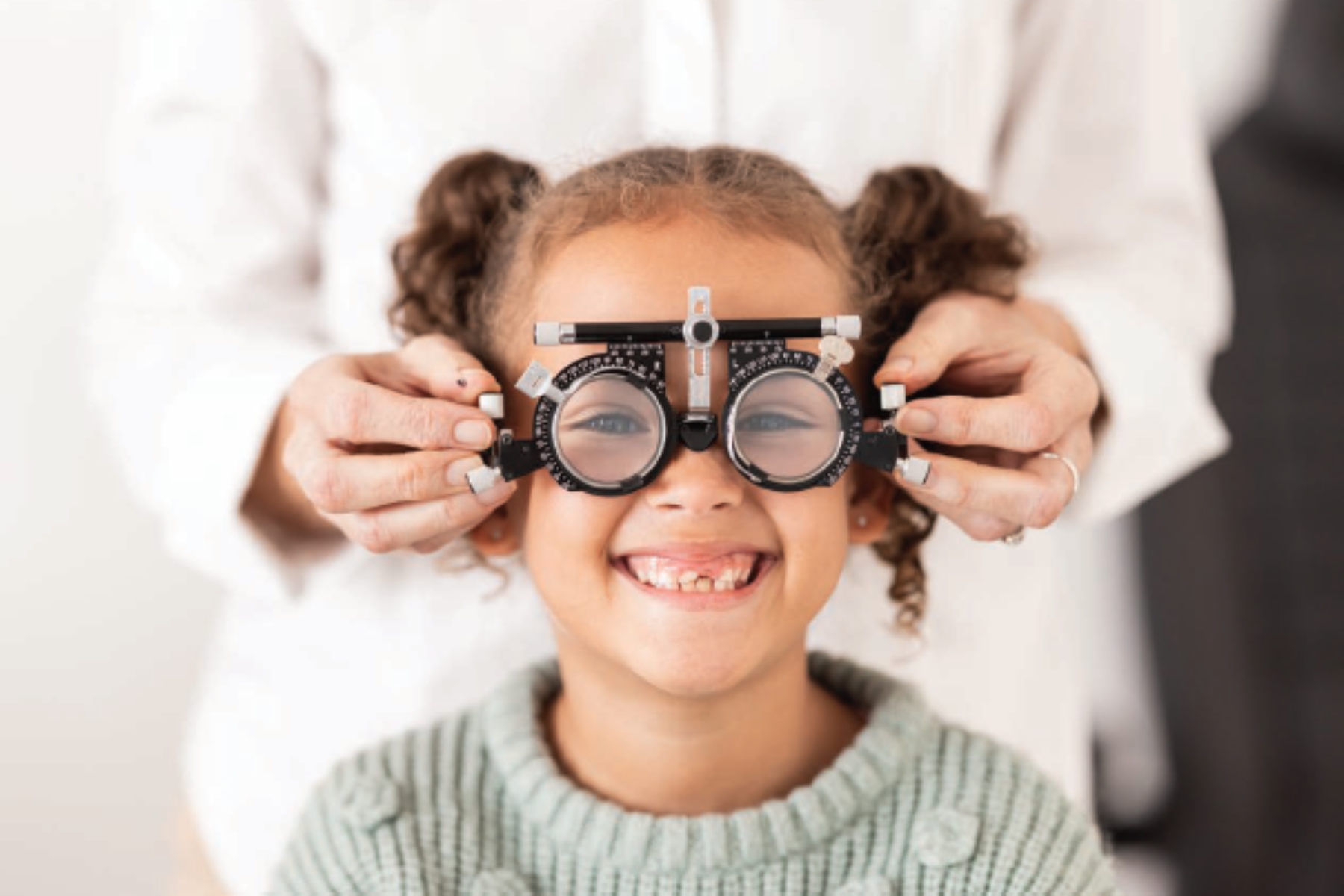
Proper communication is essential when addressing children. It is important to communicate directly with children using simple terms. Effective pediatric communication means engaging children in their own treatment, not just addressing the parents. For example, instead of “We need to patch the eye,” say, “We cover your stronger eye, so the weaker one gets stronger. Do you see this eye doesn’t see as well?” Even young kids understand simple explanations. When they know why treatment matters, they feel less anxious and have fun in making their “broken” eye see better. Such engagement boosts cooperation.
You may then ask children about their favourite colour, advising the optician in front of the child about the colour and asking to see the child when they have selected the glasses. Such interaction increases child compliance and impresses parents, which builds positive rapport – everyone wants to come back because they are treated “special.” When children and even adults feel noticed, they cooperate and eagerly want to come back.
These instances build practice success. Happy children make the experience positive and encourage trust. When kids enjoy the clinic, parents return, improving retention and reputation.
The clinic environment matters. A friendly environment turns routine care into memorable visits. Positive experiences encourage children to follow treatment, improving results and trust.
Children who grow up receiving consistent eye care often return as adults and bring their own children. This cycle strengthens the foundation of practice, creating enduring relationships over the course of decades.
Later, practitioners will see that generational continuity is a key factor in succession planning through “goodwill.” Word-of-mouth referrals from satisfied families remain the most powerful and cost-effective form of practice growth. Pediatric eye care is about forming lasting trust and relationships. Prioritizing children’s care is the central catalyst for sustainable, generational growth in practice.
Children are not only patients but also the essential treasure of practice builders, directly shaping lives and guaranteeing the success and longevity of eye care practices.
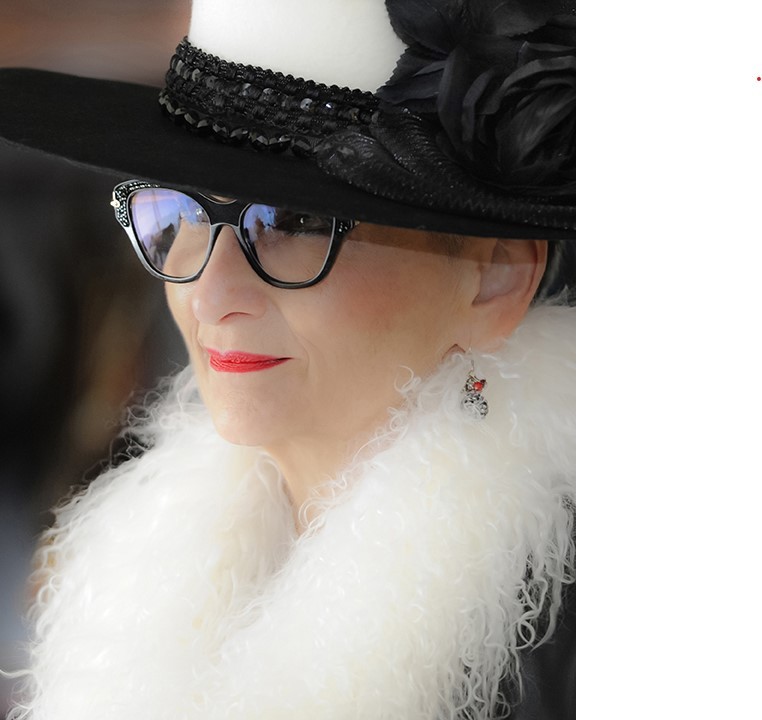
Dr. Diana M. Monea, OD
Dr. Diana M. Monea is an award-winning optometrist, author, and keynote speaker with more than four decades of leadership in clinical practice, business ownership, and professional education. Founder and former CEO of Eye Health Centres, she now focuses on consulting, mentorship, patient care, and public speaking.