
Making Money in Optometry

For many optometry students and early-career ODs, the clinical path is clearly marked. The business path is often less obvious.

Which first job makes sense? When is practice ownership worth considering? How should a new graduate think about student debt, equipment investment, associate roles, specialty services, or eventual ownership? What are the trade-offs between income, autonomy, risk and lifestyle?

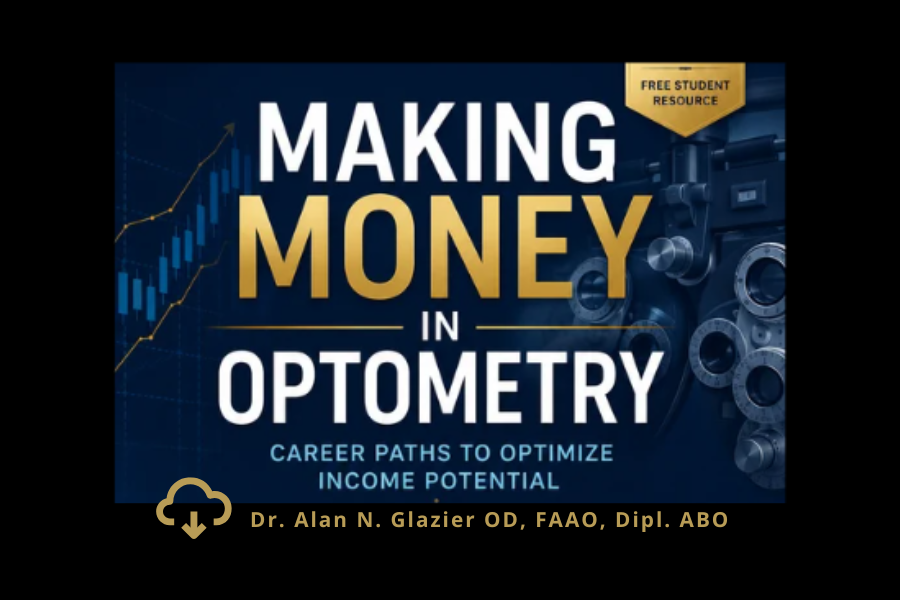
These are the kinds of questions explored in Making Money in Optometry: Career Paths to Optimize Income Potential, a new book by Dr. Alan Glazier, founder of ODs on Facebook. The book is now available as a free download.

While the title is direct, the underlying message is practical: career outcomes are shaped by real decisions.
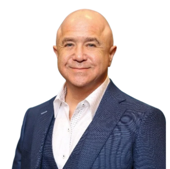
“ This book is written for optometry students and young optometrists who are not financially sophisticated. You don’t need a finance background to read it. You need only a willingness to absorb new information and think a little more deliberately about the choices in front of you than most of your colleagues will.”

Dr. Alan Glazier, OD, FAAO

A Plain-Language Look at the Business Side of Optometry

Dr. Glazier frames the book around a gap many optometrists will recognize: clinical training is extensive, but the business and financial mechanics of a career in optometry are not always taught in the same structured way.

Download Free Ebook Now

The book begins by asking readers to think more deliberately about what they are trying to build. Is it practice ownership, financial independence, a highly specialized clinical niche, more flexibility, a strong associate career, or a balanced professional life?

The point is not that every OD should pursue the same destination, but that career choices become clearer when they are made with a defined purpose.

From there, the book moves into the decisions that shape income and opportunity: different practice settings, ownership models, the role of debt, investment in equipment, delegation, specialty care, real estate, consulting, industry work and long-term saving.

Career Paths, Trade-Offs and Ownership Models

One of the book’s central sections examines different optometric career paths and their relative earning potential. These include academic roles, retail and corporate settings, independent practice associate positions, hospital and health-system roles, non-clinical industry positions, corporate leaseholder arrangements and independent ownership.
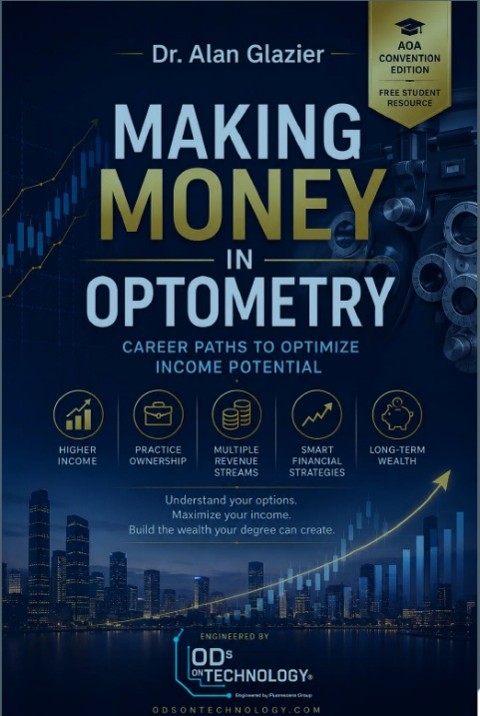
Making Money in Optometry The tone is direct, but the message is broader than compensation alone. Each path carries its own mix of income potential, risk, autonomy, schedule expectations, benefits, business responsibility and long-term opportunity.

For students and new graduates, this kind of comparison can be especially valuable. Early career choices are often made quickly, sometimes based on geography, salary, mentorship, debt pressure or the first attractive offer. Dr. Glazier encourages readers to look beyond the first contract and consider how each path may affect future flexibility and long-term goals.

The book also gives significant attention to practice ownership. It outlines three routes into independent practice: buying an existing practice, opening cold, and the less-discussed “practice within a practice” model. Each path is presented with its own risk profile, practical considerations and potential advantages.

Practical Decisions, Not Abstract Theory

A recurring theme throughout the book is that financial progress in optometry is often built through practical, incremental decisions.

That includes understanding the difference between gross and net income, knowing when to invest in revenue-producing equipment, building systems that allow delegation, considering specialty care opportunities, and recognizing that higher income does not automatically translate into long-term wealth.

Dr. Glazier also addresses side income opportunities that build on an OD’s professional expertise, such as key opinion leader work, consulting and clinical trials. His argument is not that every optometrist needs a side venture, but that an OD degree can create opportunities beyond the exam room when applied strategically.

The final section of the book focuses on the distinction between earning and building wealth. For younger ODs in particular, the message is straightforward: saving early, investing consistently and making disciplined financial choices may matter as much as choosing the highest-earning career path.

Why This May Resonate with Canadian Students and ODs

Although many of the book’s examples and compensation references are U.S.-based, the broader questions are highly relevant to Canadian optometry students and practitioners.

Canadian ODs face many of the same career decisions: whether to practice as an associate, pursue ownership, work within a corporate-affiliated model, or build a more specialized clinical niche.

They must also consider how to think about debt, when to invest in technology, how to evaluate different practice models, and how to balance professional ambition with lifestyle and personal goals.

Readers should, of course, interpret any financial figures, lending assumptions, taxation issues or regulatory considerations in the context of their own province and seek advice from qualified Canadian financial, legal and practice advisors where appropriate.

Still, the book’s central value lies in prompting better questions. What kind of career am I building? What decisions will increase my options? What risks am I prepared to take? What do I need to learn about the business side of practice before making a major move?

Download the Free Book

Making Money in Optometry is available now as a free download.

For optometry students, residents and new graduates, it offers a practical introduction to the career and business decisions that often arrive sooner than expected. For established ODs, it may serve as a useful prompt to revisit current assumptions and consider whether the next stage of practice should look different from the last.

This post is sponsored by Fluorescene Group


Share:
Rate:

0 / 5. 0

Future Focus 2026 Optometry Students event

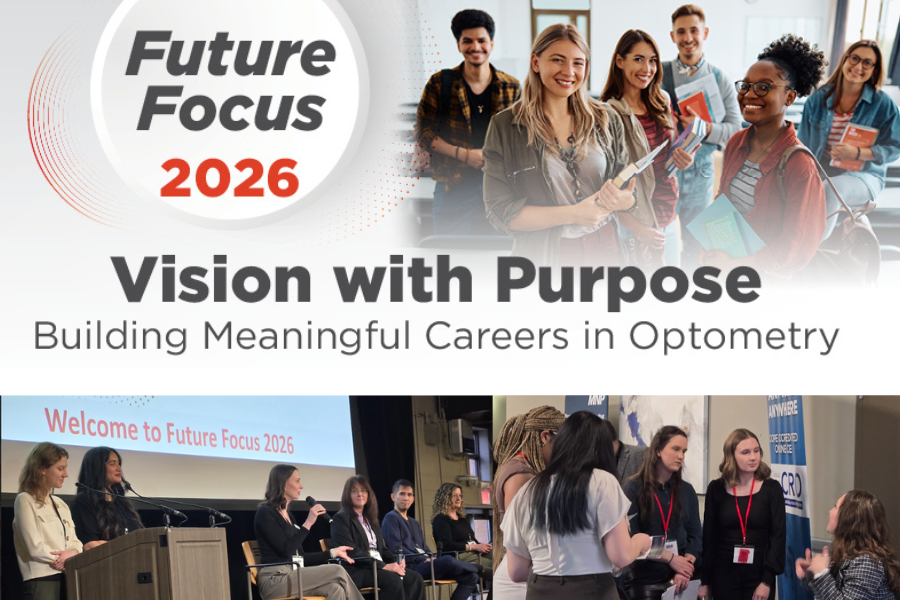
The fourth annual Future Focus organized by NextGen OD Canada, held April 2 at the University of Waterloo’s Federation Hall, brought together 118 optometry students and 10 sponsoring organizations for an evening of industry engagement, career insight, and professional connection.

Firmly established as one of the most effective student–industry touchpoints in Canadian optometry, Future Focus 2026 delivered a well-balanced program anchored by its theme: “Vision with Purpose: Building Meaningful Careers in Optometry.” NextGen OD Canada Student Ambassadors, Shreya Jain (OD Candidate 2027) and Elisa Haley (OD Candidate 2028) co-hosted the evening’s activities at UW Federation Hall.

The event featured a structured networking trade show, a student-moderated industry panel, and a keynote presentation by Dr. Martina Sawatzky (UW ’19).

Industry Panelists Provide Answers to Students’ Questions

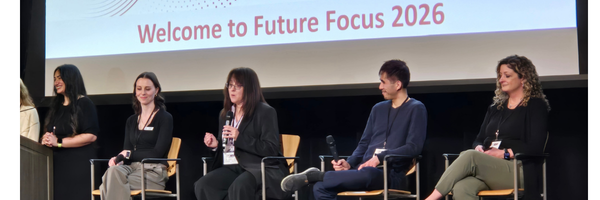
Optometry Students Future Focus panel 2026

The industry panel discussion was moderated by University of Waterloo optometry students Natasha Reyes (OD Candidate 2026) and Maryam Safdar (OD Candidate 2026).  Panelists representing leading organizations offered practical and candid insights into career pathways, early professional development, and evolving opportunities within the profession. (Click to view full panel discussion)

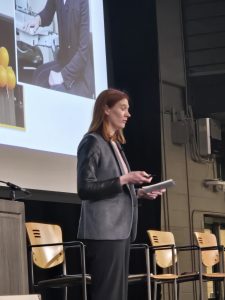
Dr. Sawatzky: Defining Meaning through Service. 

Dr. Martina Sawatzky address Optometry StudentsDr. Martina Sawatzky’s (UW 2019) keynote presentation resonated strongly with attendees, highlighting how community engagement and global outreach can shape a fulfilling optometric career.

The presentation was supported by Optometry Giving Sight, and featured an inspiring video showcasing the organization’s global efforts to improve access to vision care.

To view the full presentation by Dr. Sawatkzky – Click Here.

Feedback from both students and sponsors was overwhelmingly positive, with particular recognition given to the quality of the discussion, the opportunity for meaningful engagement, and the overall event experience.

The evening concluded with prize draws valued at over $2,000, generously provided by sponsors, was met enthusiastically by student attendees.

Future Focus 2026 was supported by Visionary Sponsors:
Eye Recommend, FYi doctors, OSI Group and Specsavers Canada, and Horizon Sponsors Vogue Optical, MNP, CSI Dry Eye Innovations, Nikon Lenswear Canada, Bausch + Lomb Canada and CRO Clinical & Refractive Optometry.

Earlier in 2026 a  Future Focus: Cross-Border live webinar brought recent and current Optometry students together for a practical discussion with industry spokespersons focused on what it really takes to transition from US optometry school to professional practice in Canada.

With four successful years now completed, Future Focus continues to strengthen its role as a key platform for connecting students with the organizations shaping the future of optometry in Canada.


Share:
Rate:

0 / 5. 0

NextGenOD podcast

In this Season 2 episode, hosts Dr. Amrit Bilkhu and Dr. Alexa Hecht share their real journeys with optometry practice ownership. From cold-starting a full-scope clinic with an optical to purchasing a lower-risk side-by-side practice inside an existing optical, they compare the challenges, fears, and rewards of becoming an optometry practice owner in today’s economy. Packed with practical advice on timing, risk, patient transitions, and work-life balance, this episode is essential listening for optometry students and new grads considering practice ownership.

Episode Highlights:

  • Welcome Back + Life Updates: Amrit and Alexa kick off 2026 with personal news — Amrit is 8 months pregnant after an IVF journey, while Alexa has just purchased her own practice.
  • Two Very Different Paths to Optometry Practice Ownership: Amrit details the high-risk, high-reward cold start of Northern Sight Optometry (large space, full optical, business partner), while Alexa shares her more conservative side-by-side purchase inside an established optical.
  • The Fear Factor in Optometry Practice Ownership: Both hosts discuss the anxiety of telling their associate employers they were opening their own practices — and how surprisingly supportive those owners were.
  • Gap Year & Preparation: Alexa reflects on her formative COVID-era gap year working as a clinical assistant, learning billing, coding, and patient relationships. Amrit stresses the value of talking to other practice owners early.
  • Overcoming Imposter Syndrome: Amrit’s candid story about her vision therapy room sitting empty for the first year due to self-doubt — and how one motivated patient changed everything.
  • Building Dry Eye Services: Alexa explains her step-by-step approach to introducing dry eye care and the unique challenge of transitioning patients from an 80+ year-old retiring doctor.
  • Solo vs Partnership Realities: The pros and cons of being the only doctor versus having a partner, and deciding when to add more clinic days.
  • Final Advice on Optometry Practice Ownership: Start earlier than you think, surround yourself with supportive mentors, don’t fear the unknown, and remember — ownership isn’t for everyone, but the right opportunity often feels right when it arrives.

Listen now for raw, relatable stories and actionable tips on optometry practice ownership — whether you’re a student, new grad, or associate dreaming of owning your own practice!

Your Hosts:

Amrit Bilkhu, OD, FAAO, FOVDR
Dr. Amrit Bilkhu graduated from the Illinois College of Optometry in 2019 and completed a Vision Therapy & Rehabilitation residency program at UC Berkeley School of Optometry in 2020. She is a fellow of the American Academy of Optometry and the Optometrists in Vision Development and Rehabilitation. Dr. Bilkhu owns her private practice, Northern Sight Optometry, in Vaughan, Ontario. In her spare time, she serves as a board member for Vision Therapy Canada, writes articles for optometry blogs, and shares her knowledge on her professional social media page.

Alexa Hecht, OD
Dr. Alexa Hecht is an optometrist based in Toronto, providing comprehensive eye care for patients of all ages. Originally from Winnipeg, Manitoba, she graduated from the UW School of Optometry and Vision Sciences. She has a particular interest in diagnosing and managing dry eye disease, and enjoys helping patients feel comfortable and confident in their vision and eye health. Dr. Hecht recently launched her own practice in Forest Hill, Lio & Light Eyecare. She is also passionate about public education, sharing practical, evidence-based guidance on eye health and eye beauty/makeup habits through social media.

This episode sponsored by Clinical & Refractive Optometry Journal, a Future Focus Event Series Sponsor

Clinical & Refractive OptometryCRO (Clinical & Refractive Optometry Journal and online CE) is proud to sponsor this episode of the Future Focus OD Canada podcast. CRO offers Optometry Students a complimentary premium subscription to CRO . There’s no cost to join and no cost to enroll in COPE-accredited courses. Learn from challenging real-world case studies and topic reviews – and test your knowledge.
Click here to claim your complimentary access to CRO JOURNAL courses for 1 year.  


Sign up to the NextGEN OD Newsletter to get episode notifications and other updates from NextGEN OD Canada.


Share:
Rate:

0 / 5. 0

Future Focus Event Vision with Purpose

The fourth annual Future Focus event returns to the University of Waterloo on April 2 at 5:00 PM, bringing together optometry students and industry leaders for an evening of career exploration, professional dialogue, and meaningful engagement.

Registration is now open.  Spaces is limited.

Firmly established as one of the most anticipated student–industry touchpoints on campus, Future Focus consistently attracts more than 120 students across all cohorts. The event has earned strong feedback from both sponsors and attendees for its structured networking format, engaging programming, and high level of student participation.

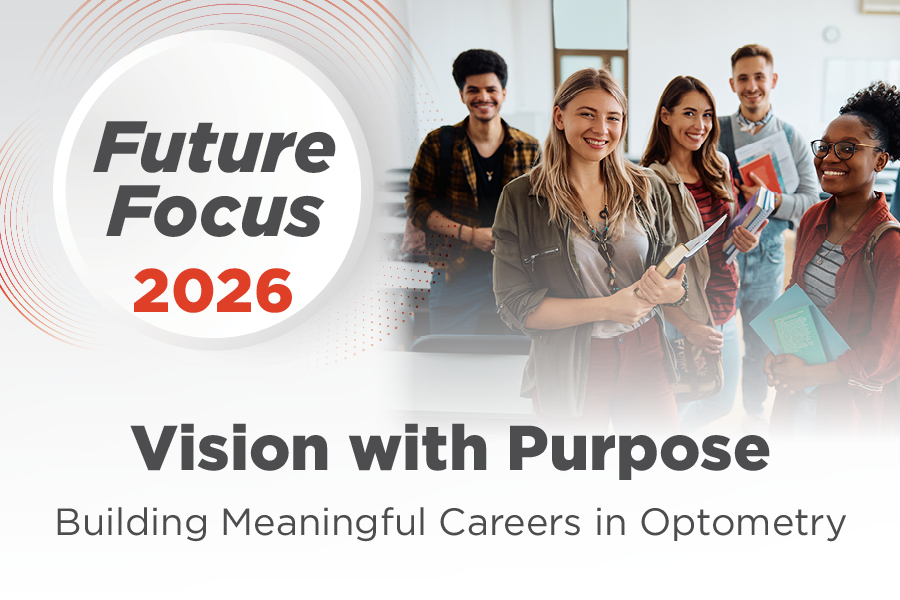
This year’s theme, “Vision with Purpose: Building Meaningful Careers in Optometry,” reflects a growing emphasis among emerging ODs on aligning career development with service, leadership, and long-term impact.

Hosted by Student Ambassadors Shreya Jain (OD Candidate 2027) and Elisa Hayley (OD Candidate 2028), the evening will feature:

  • A networking trade show with leading employers and industry partners

  • Maryam Safdar and Natasha Reyes (OD Candidates 2026) will moderate the industry panel discussion

  • A keynote presentation by Dr. Martina Sawatzky (UW ’19)

  • Great Food, and Prizes to wrap up the evening.

Dr. Sawatzky (Winnipeg, MB) will speak on Defining Meaning through Service, sharing her perspective on building a fulfilling optometric career that integrates community involvement and international outreach. As a student, she participated in service trips to Honduras and Peru and was recognized for fundraising efforts supporting Optometry Giving Sight. Today, she practices in Winnipeg, Manitoba, with a focus on patient-centered care and meaningful connection.

The industry panel, moderated by will feature sponsor representatives discussing career pathways, innovation, and professional growth within their respective organizations.

Future Focus 2026 is made possible through the support of industry leading Visionary Sponsors:
OSI Group, FYi doctors, Eye Recommend, and Specsavers Canada.

Horizon Sponsors include:
Nikon, Vogue Optical, CSI Dry Eye Innovations and Clinical & Refractive Optometry


Share:
Rate:

0 / 5. 0