

Giving Tuesday Roxanne Arnal

Giving Tuesday, falling on December 2nd this year, is a great reminder as we head into the holiday season to look at what causes could benefit from your charitable donations. But let’s face it, who has time to research and make these decisions in a tax efficient way before year end?

Charitable Foundations and Donor-Advised Funds: A Smarter Way to Give

When Canadians think about giving back, they often picture writing a cheque or donating online. But for those who want to make a lasting impact, charitable foundations offer a more strategic approach.

What is a Charitable Foundation?

A charitable foundation is a registered organization that manages donations and distributes funds to qualified Canadian charities who issue tax receipts for the Donation Tax Credit with your annual CRA filings.

Setting up a Private Foundation

Private Foundations are typically funded by a single family or corporation. Though rewarding, they come with significant legal and reporting responsibilities.

Accessing a Public Foundation

Public Foundations pool resources from many donors to ease the compliance responsibilities of private foundations thereby enhancing their accessibility to all of us. The foundation retains the administrative requirements permitting you to access all the benefits of Charitable Foundations through a Donor-Advised Fund (DAF).

What is a Donor-Advised Fund?

A DAF is a giving account established within a public foundation. As most public foundations are run through private wealth firms, the most common contributions are publicly traded securities. When you create and fund your DAF, you will be issued an immediate tax receipt while spreading out the time frame you have to make your charitable grants. In the meantime, the investments continue to grow tax-free.

Why Consider a DAF?

  • Simplicity & Efficiency: A DAF consolidates your giving into one account, eliminating the need for multiple receipts or complex filings.
  • Tax Advantages: You receive a tax deduction when you contribute, and you can carry it forward for up to five tax years. Donating appreciated securities can also eliminate capital gains tax, making your gift far more impactful than donating from your personal bank account.
  • Legacy & Family Engagement: A DAF permits you an opportunity to involve your family in philanthropy. Imagine sharing valuable life lessons and holding family gatherings with true meaning to discuss the direction and beneficiaries of your DAF.
  • Privacy: A DAF allows you an opportunity to keep your name private when granting funds, which can protect you from ongoing requests from your selected charities.

Final Thoughts

Charitable giving can be about more than generosity. It’s an opportunity to share the wealth you have created, benefit from real tax savings, and create a philanthropic legacy within your family or business. The use of a DAF permits access to a strategy that is often reserved for only the very wealthy, bringing accessibility to most of us, especially in the year we sell our practice and can really benefit from the tax savings.

Need Help Navigating Your DAF?

At C3 we have worked alongside the Value Partners Charitable Foundation for years and have first hand experience in guiding you through the intricacies of the process efficiently, allowing you to focus on what truly matters to you personally.

We’re here to help you make informed decisions that align with your financial goals. Reach out to us with any questions or to schedule a personalized conversation at roxanne@c3wealthadvisors.ca or 780-261-3098.

Roxanne Arnal is a Certified Financial Planner®, Chartered Life Underwriter®, Certified Health Insurance Specialist, former Optometrist, Professional Corporation President, and practice owner. She is dedicated to empowering individuals and their wealth by helping them make smart financial decisions that bring more joy to their lives.

This article is for information purposes only and is not a replacement for personalized financial planning. Errors and Omissions exempt.
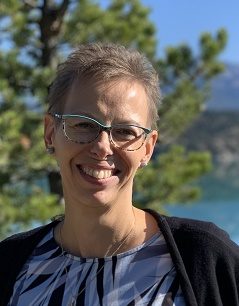
ROXANNE ARNAL,

Optometrist and Certified Financial Planner

Roxanne Arnal graduated from UW School of Optometry in 1995 and is a past-president of the Alberta Association of Optometrists (AAO) and the Canadian Association of Optometry Students (CAOS). She subsequently built a thriving optometric practice in rural Alberta.

Roxanne took the decision in 2012 to leave optometry and become a financial planning professional. She now focuses on providing services to Optometrists with a plan to parlay her unique expertise to help optometric practices and their families across the country meet their goals through astute financial planning and decision making.



Share:
Rate:

0 / 5. 0

Roxanne Arnal financial growth steps

Every optometric practice evolves through distinct financial seasons, each with its own priorities, challenges and opportunities.

Start Up: Planting the Seeds

Location, location, location! Always start with good fertile soil. Focus your launch phase on building infrastructure, attracting patients and establishing your brand.

Because your revenue will likely be low and unpredictable, you need to be mindful of your cash flow and debt management. Ensure that you have a sufficient line of credit and payment terms for equipment, inventory and leaseholds. Don’t forget about insurance – especially business office expense disability coverage – you’ve committed a lot to this endeavour.

Take this time to build out your ideal operational systems. Focus on developing deep client relationships, a referral network and training of ideal staff.

Tip: Negotiate favorable vendor terms. Review the cash flow impact of leasing vs borrowing. Ensure you have adequate insurance coverage.

Growth: Plant Development

As you gain traction and patient volumes increase be sure to continue to fertilize your growth.

Reinvest into technology, staff and continual marketing. Consider adding specialty services that align with your patient base. Review your operational systems for efficiency and ensure you have sufficient support staff.

Great staff are worth keeping, consider adding benefit and retirement savings programs.

You always have to be thinking ahead to ensure the office is ready for additional patient needs.

Tip: Strategic reinvestment leads to continued growth.

Mature: Harvesting

The true beauty of a mature practice is that it creates a regular and growing income stream. Don’t take patient loyalty for granted. All relationships need continual care and appreciation.

Your size may permit better vendor pricing and terms. Consider purchasing your own clinic property with excess revenue. Look to other investment options, like corporate owned life insurance, to create a tax free savings opportunity.

Ensure that you understand your financial statements and keep an eye on your performance.

Tip: Keep an eye on your profit margin. If you aren’t continually profitable, you can’t continue to service your patients at the level you desire.

Succession: The Next Harvest

Transitioning ownership can be challenging. Planning ahead can ease the emotional strain and ensure that you are maximizing your financial success. This is your opportunity to preserve legacy and ensure continuity for all the people you have cared for these many years.

If you’re looking to step into your transition through partnership, a comprehensive joint venture agreement that addresses various triggering events and considers the use of insurance for emergency buy/sell is critical. Every good business marriage needs a signed contract. Be sure to download our Buy-Sell Agreement Checklist [https://c3wealthadvisors.ca/buy-sell-agreement-checklist/].

Understand your practice value, update your clinic appearance and equipment, ensure that you have reviewed tax planning opportunities.

Tip: You don’t know what you don’t know. Now is the time to reap the benefits of your years of sacrifice and success – let other’s help you to ensure that you have considered the impact of your various options.

Conclusion

Throughout your business ownership journey you will have many questions and opportunities to harness knowledge from those who have gone before you. Engage advisors and mentors to help guide you along the way. Perform financial audits and review your overall costs to ensure practice profitability – only through your success can you provide a level a care that your patients deserve.

Have questions? Don’t know what questions you should have? Roxanne has lived through all the seasons in her optometric and financial planning careers. Reach out via email at roxanne@c3wealthadvisors.ca or call 780-261-3098 to book a conversation.

Roxanne Arnal is a Certified Financial Planner®, Chartered Life Underwriter®, former Optometrist, Professional Corporation President, and practice owner. She is dedicated to empowering individuals and their wealth by helping them make smart financial decisions that bring more joy to their lives.

This article is for information purposes only and is not a replacement for personalized financial planning. Errors and Omissions exempt.

ROXANNE ARNAL,

Optometrist and Certified Financial Planner

Roxanne Arnal graduated from UW School of Optometry in 1995 and is a past-president of the Alberta Association of Optometrists (AAO) and the Canadian Association of Optometry Students (CAOS). She subsequently built a thriving optometric practice in rural Alberta.

Roxanne took the decision in 2012 to leave optometry and become a financial planning professional. She now focuses on providing services to Optometrists with a plan to parlay her unique expertise to help optometric practices and their families across the country meet their goals through astute financial planning and decision making.


Share:
Rate:

0 / 5. 0