


When I graduated from the University of Waterloo in 1978, fewer than 10 percent of practicing optometrists were women. Today, over 75 percent of new graduates are female—a dramatic shift that reflects both progress and new challenges in the profession. One of the most critical challenges—and often the least discussed—is succession planning.
Decisions That Shape a Career
Early in your career, you face a choice that will shape your professional life: Do you want to own a practice, work as an independent contractor, or remain an employee? It matters. Ownership comes with autonomy, responsibility, financial risk, and potential reward—but also long hours, staff management, and ongoing operational costs. Your decision will dictate not just the work you do, but the path your succession plan will take, and whether you leave a meaningful legacy.
Breaking Barriers in the Early Years
I learned these lessons the hard way. After graduating, I faced student debt and a profession dominated by men. Practices were reluctant to hire women, often citing pregnancy or family plans as “risks.” Interest rates for business loans were double digits and rising, and banks required co-signers simply because I was a woman.
But I was determined. With mentorship and support from a lab manager at American Optical, who “took a risk on me,” I began building my first practice in Regina, Saskatchewan. That experience taught me the importance of mentorship and giving back, values I carried throughout my career.
Forty Years of Growth and Grit
I worked tirelessly, travelling to five small towns in Saskatchewan, visiting nursing homes, opening Saturdays when others did not, lecturing at the University of Regina, running philanthropic programs like “Anna’s Vision,” and even examining patients in correctional facilities.
My husband, an engineer, supported our family and became a full-time house dad, allowing me to focus on the practices. Together, we shared a vision for success and commitment that spanned 40 years. Having the right people who see the same vision is essential for success, as it is never built alone.
In 1999, we moved to Calgary. I purchased a struggling practice and opened a second office closer to home, while continuing to travel regularly to Regina to maintain my original practice. For years, I managed these two Calgary locations and the Regina office simultaneously. With three full-time associates and a dedicated team who shared our vision, the practices thrived. I learned firsthand that success depends on people, preparation, and clarity of vision, not just clinical skill.
When Suddenly Everything Changes
Yet succession planning was always in the background. You work for decades developing a practice, making it a career, only to realize that life can change in an instant. On May 1, 2025, my husband passed away suddenly, leaving me to navigate family and business responsibilities alone. Circumstances had changed overnight. What I thought would be a gradual plan for reducing hours became an urgent need to secure the future of my practices.
This experience highlights a hard truth: succession cannot be postponed. Markets are volatile, costs rise, competition increases, and managed care can change the landscape of private practice. Owning a practice is a long-term commitment, and the most critical decision you can make is to plan your succession path early, knowing that a health event, diagnosis, or accident can occur in the blink of an eye.
Succession as a Professional Imperative
For today’s optometrists, there are valuable lessons:
- Decide early on your career path. Will you own a practice, work independently, or be an employee? Each choice carries long-term implications.
- Understand the actual cost of ownership. Beyond financial investment, consider time, energy, and emotional commitment.
- Plan for succession from the start. Identify potential associates, mentorship opportunities, or partnership structures. Gradual buy-ins and shared ownership models can provide continuity and protect your legacy.
- Expect the unexpected. Life can change rapidly. Your succession plan should account for health, family, and market volatility.
- Build the right team and share the vision. Success depends on having people around you who understand, support, and share your professional values.
Passing the Torch with Purpose
Succession isn’t just about selling a practice; it’s about continuity, care, and legacy. Early planning allows you to maintain control, make strategic choices, and ensure that the life you’ve built in optometry continues to make an impact.
And finally, remember that succession is not an ending—it is the culmination of your work, vision, and sacrifice. It is the bridge between the career you’ve built and the legacy you leave behind. Start early. Plan well. And remember that the greatest reward in optometry is not just the patients you see, but the future you help create for the profession.
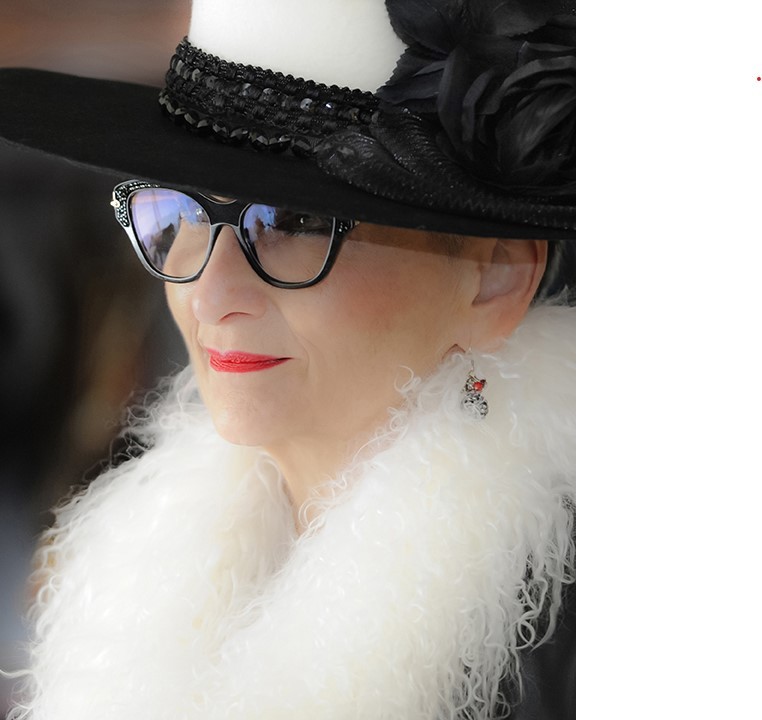
Dr. Diana M. Monea, OD
Dr. Diana M. Monea is an award-winning optometrist, author, and keynote speaker with more than four decades of leadership in clinical practice, business ownership, and professional education. Founder and former CEO of Eye Health Centres, she now focuses on consulting, mentorship, patient care, and public speaking.