

Trevor Miranda The Kids Category From Afterthought to Growth Engine

Children’s eyewear and myopia management have become one of the most dynamic and profitable areas in modern optometry.

Twenty or thirty years ago, the children’s category in most optical practices was often treated as an afterthought. Kids’ eyewear was typically displayed in a small corner with limited frame options, basic lenses, and very little focus on style, technology, or experience. It was often seen as a lower-margin category where the goal was simply to get a child into a functional pair of glasses and move on.

Today, that could not be further from the truth.

A Category Transformed

The children’s eyewear category has evolved into one of the most exciting, clinically important, and relationship-driven areas of optometry. In many practices, it has become a major driver of growth, patient loyalty, and long-term profitability.

One of the biggest shifts has been how children themselves view eyewear. Years ago, many children would cry when told they needed glasses. Today, many cry when they are told they do not need them. Glasses have become more socially accepted, more fashionable, and in some cases even aspirational. Kids see eyewear as part of their identity. They want frames that reflect their personality, interests, favourite colours, or even the social media trends they follow.

That shift has driven major innovation in frame design. Today’s pediatric frames are lighter, more durable, more flexible, and far more stylish than they used to be. We now have options with memory metals, spring hinges, silicone components, sports-specific designs, and frame geometries that better fit smaller faces and developing nasal bridges. The result is a better patient experience, improved comfort, and better compliance.

Better Lenses, Better Experiences

Lens technology has also changed dramatically. Children are no longer limited to basic plastic lenses. Parents are increasingly interested in premium lens options such as impact-resistant materials, anti-reflective coatings, blue light filters, photochromic lenses, and digital lens designs.
For active kids, second pairs for sports, sunwear, or outdoor activities are becoming increasingly common. In many cases, these upgrades improve not only the child’s visual experience but also the practice’s average revenue per patient.

Myopia Management Changes the Conversation

Of course, perhaps the most significant development in pediatric eye care has been the rise of myopia management.

For years, childhood myopia was approached with a relatively simple model: the child became more nearsighted, we prescribed stronger glasses, and we waited until next year. Today, we know that progressive myopia is not just an inconvenience. It is a long-term eye health issue associated with higher risks of retinal detachment, glaucoma, myopic maculopathy, and cataracts later in life.

That knowledge has transformed pediatric eye care from a transactional visit into a long-term care relationship.

Modern myopia management now includes options such as orthokeratology, soft multifocal contact lenses, low-dose atropine, specialty spectacle lenses, and increasingly, axial length measurement to monitor progression more precisely. We are no longer simply correcting blurred vision. We are actively trying to slow progression and protect long-term eye health.

That creates a very different type of conversation with families. Parents are often highly motivated when they understand the long-term implications of progressive myopia. It also creates a recurring care model with regular follow-up visits, imaging, testing, treatment adjustments, and ongoing education.

A Meaningful Business Opportunity

From a business standpoint, this is one of the most important opportunities in modern optometry.

Myopia management programs create recurring revenue, stronger patient retention, increased capture rate, and multi-year family relationships. A child enrolled in a myopia program often returns several times per year, may purchase glasses and contact lenses, may require sports eyewear or sunglasses, and often brings siblings and parents into the practice as well.

The profitability opportunities in the children’s category extend well beyond the first pair of glasses. Premium coatings, warranties, second-pair promotions, contact lenses, subscription-style myopia management plans, and family referrals all contribute to growth. Perhaps most importantly, pediatric patients often become lifelong patients. A child who starts in your practice at age six may still be seeing you at age 26.

That is why the children’s category should never be viewed as low value.

Optometry Becomes “Medical Retail”

In many ways, this is where optometry truly becomes “medical retail.” We are not selling. We are presenting opportunities, educating families, and allowing them to decide what is best for their child. When handled ethically and collaboratively, that creates trust, loyalty, and better outcomes.

The Next Phase of Pediatric Eyewear

Looking ahead, the future of the category is incredibly exciting. We will likely see more wearable technology, smarter lenses, AI-driven monitoring tools, personalized frame design, and even more advanced approaches to myopia care. The practices that embrace these changes early will be well positioned to grow.

Children’s eyewear is no longer a side category. Remember also that each child is often accompanied by a parent that may be present opportunity to update their own eyewear and ensure they have had a recent eye examination. It is one of the strongest engines for clinical impact, patient loyalty, and profitability in the modern practice.
2024 Trevor Miranda

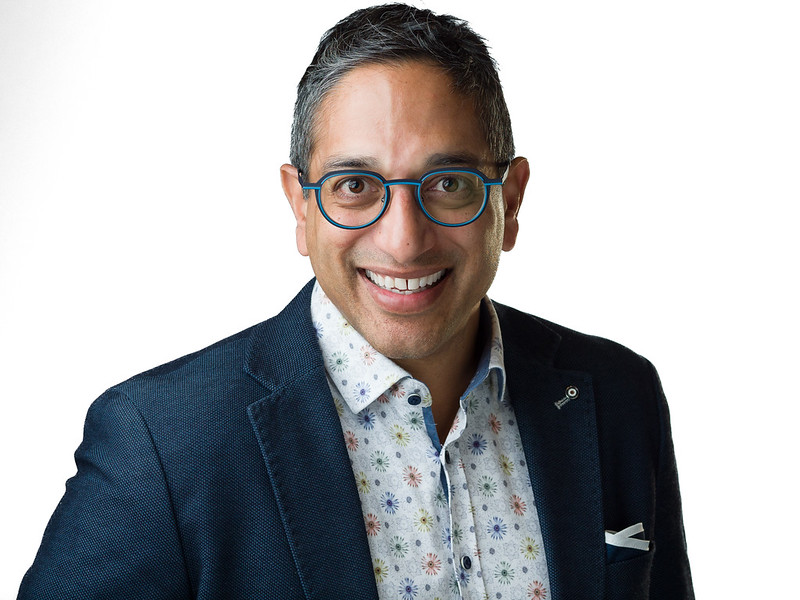
DR. TREVOR MIRANDA

Dr. Miranda is a partner in a multi-doctor, five-location practice on Vancouver Island.

He is a strong advocate for true Independent Optometry.

As a serial entrepreneur, Trevor is constantly testing different patient care and business models at his various locations. Many of these have turned out to be quite successful, to the point where many of his colleagues have adopted them into their own practices. His latest project is the Optometry Unleashed podcast.



Share:
Rate:

0 / 5. 0

Diana Monea Children The Hidden Treasure

Practitioners who focus on pediatric eye care can drive lasting practice growth by prioritizing children’s vision, treating children as an essential yet often overlooked source of continuity, personal achievement, and gratification.

Vision is vital for a child’s development and education. About 80% of learning is visual, so even minor vision issues can hinder school performance and self-esteem. Teachers frequently request vision checks when students struggle, showing the importance of eye care in learning.

Lessons from the Real World

Over 50 years, my team and I managed three Eye Health Centres. A constant lesson we have learned is that children build practices. When children trust us, families return. Parents value their child’s care, which creates relationships over generations. Pediatric care gives lasting practice growth through relationships, unlike short-term marketing. Each appointment is a chance to teach families about the importance of eye health, and educating parents is key. Many people do not know that vision cannot be replaced at any price and that hidden eye issues, not obvious to the parent or child, can affect learning and confidence. Explaining vision’s role in a child’s development helps parents see the value of a comprehensive eye health exam.

Discussing with parents the impact of vision and the role genetics plays also increases engagement and adult referrals. When parents see eye health as essential to their child’s development and understand that vision changes as a child grows, they become long-term and consistent advocates for routine care. Educating families about the benefits of regular eye care not only benefits children but also practices by deepening trust and creating lasting loyalty. Soon, annual exams become part of a continuous health care plan for life.

Connecting Through Clear Direct Communication

Proper communication is essential when addressing children. It is important to communicate directly with children using simple terms. Effective pediatric communication means engaging children in their own treatment, not just addressing the parents. For example, instead of “We need to patch the eye,” say, “We cover your stronger eye, so the weaker one gets stronger. Do you see this eye doesn’t see as well?” Even young kids understand simple explanations. When they know why treatment matters, they feel less anxious and have fun in making their “broken” eye see better. Such engagement boosts cooperation.

You may then ask children about their favourite colour, advising the optician in front of the child about the colour and asking to see the child when they have selected the glasses. Such interaction increases child compliance and impresses parents, which builds positive rapport – everyone wants to come back because they are treated “special.”  When children and even adults feel noticed, they cooperate and eagerly want to come back.

These instances build practice success. Happy children make the experience positive and encourage trust. When kids enjoy the clinic, parents return, improving retention and reputation.

The clinic environment matters. A friendly environment turns routine care into memorable visits. Positive experiences encourage children to follow treatment, improving results and trust.

Children who grow up receiving consistent eye care often return as adults and bring their own children. This cycle strengthens the foundation of practice, creating enduring relationships over the course of decades.

Later, practitioners will see that generational continuity is a key factor in succession planning through “goodwill.” Word-of-mouth referrals from satisfied families remain the most powerful and cost-effective form of practice growth. Pediatric eye care is about forming lasting trust and relationships. Prioritizing children’s care is the central catalyst for sustainable, generational growth in practice.

Children are not only patients but also the essential treasure of practice builders, directly shaping lives and guaranteeing the success and longevity of eye care practices.


Dr. Diana Mae Monea, OD, FAAO, MHRM

Dr. Diana M. Monea, OD

Dr. Diana M. Monea is an award-winning optometrist, author, and keynote speaker with more than four decades of leadership in clinical practice, business ownership, and professional education. Founder and former CEO of Eye Health Centres, she now focuses on consulting, mentorship, patient care, and public speaking.


Share:
Rate:

0 / 5. 0

Managing Multiple Practices Dr Diana Monea

Developing, growing, and sustaining three optometric practices, one in Regina, Saskatchewan and two in Calgary, Alberta, Canada, was not easy. As a wife, mother, and early woman entrepreneur, I faced the demands of raising a family, which significantly complicated practice management. Life–work balance is an ever-changing dynamic. It requires a clear vision of what you want, with great personal sacrifice. Even with that, the daily roles of motherhood and business constantly overlapped and changed with the pressures of staff issues, finances, regulatory changes, technical updates, and family demands. Creeping doubts of loneliness and insecurity made it challenging to exist and thrive while straddling the balancing act of work and life.

Mentorship with Practices 

Assisting colleagues across provinces presented unique challenges due to regional differences and practice dynamics. The consistent goal was to maintain high-quality patient care and customer service, ensuring that patients were satisfied, returned for follow-up care, and referred others. The objective was to build sustainable practices rooted in patient retention. To support this effort, the approach relied on proactive, well-defined communication, clear objectives, and ongoing mentorship. Achieving this required strong relationships built on trust and close collaboration with key leaders at each practice location.

Financial and Operational Issues

Continual surveillance of finances and operational challenges for each practice involved ongoing review and decision-making, with the most urgent issues receiving priority. Ways to incorporate new revenue streams are imperative and ever-changing as the scope of optometry expands. Equipment repairs, compliance issues, cybersecurity, insurance changes, and privacy issues all trump daily operations with heightened concern. Technological transformations are constantly in flux. New accounting and EMR systems, with updates, require significant capital outlay with careful planning. New practice modalities to generate alternative income are necessary as the scope of practice constantly evolves, requiring ongoing review with new capital outlay. Facing these day-to-day challenges requires experience and even trial and error when making decisions amid the stress of balancing costs with exceptional patient care.

Decision Regarding Provincial Jurisdictions

Jurisdictions vary between Alberta and Saskatchewan with respect to licensure, billing, and scope-of-practice requirements. Continually monitoring, updated education requirements, and communication with regulatory bodies are crucial for protecting patients, staff, and practice quality.

Addressing Family Needs

Work-life balance is constantly in flux. Sick children and unexpected life tragedies can catastrophically erode and destroy even the best-developed plans. Unpredictability is every entrepreneur’s worst nightmare, but a reality that must be carefully considered. Managing multiple practices can create chaos, especially during emergencies. These situations require flexibility, support networks, and delegation within a closely webbed network.

Dealing with Imposter Syndrome

When referring to all forms of social media, from Instagram to LinkedIn, it is easy to be overwhelmed with feelings of inadequacy. Entrepreneurs may question their ability by comparing themselves to others. It is imperative to remember that confidence grows through reflection, discussion with mentors, and taking time to celebrate progress and all achievements.

Methods for Surviving Challenges

It is critical to have a solid structure with trusted people whom you can delegate to. Prioritization is a vital tool for weighing the urgency of what needs to be done versus what can be delayed, depending on circumstances. Urgent tasks trump day-to-day routine. It is only by building strong, supportive teams and fostering genuine care among dedicated, long-term staff that a manageable work-life balance can be facilitated. Entrepreneurs must acknowledge feelings of needing assistance without seeing it as a weakness. This help is often readily available from mentors, colleagues, or family. Vulnerability and the acceptance of its limitations are necessary survival skills. Even more important is setting aside intentional time for reflection, exercise, or simply embracing family moments to create everlasting memories, experiences that really matter. Long-term well-being is essential, and it matters most when managing a business during these current unsettled times.

Takeaway of What Really Matters

The key takeaways: Success is measured by practice culture, dedicated staff, loyal patients, and individual fulfillment. Challenges will always be there; running any business requires careful balancing of a well-thought-out perspective and cautious preparation. Perseverance, in difficult times, involves “one foot in front of the other” with strategizing and reformatting, and a clear conscience to “never give up”! Entrepreneurs must remember that perfection does not exist. Life throws unexpected, disruptive curveballs. Only resilience, coupled with adaptability, will build a legacy in a career rooted in strong family values and traditions.

Finally, building one or multiple practices involves giving your best effort with a firm commitment to self-awareness, while asking for support on a journey to create a dynamic practice that stands the “test” of time.


Dr. Diana Mae Monea, OD, FAAO, MHRM

Dr. Diana M. Monea, OD

Dr. Diana M. Monea is an award-winning optometrist, author, and keynote speaker with more than four decades of leadership in clinical practice, business ownership, and professional education. Founder and former CEO of Eye Health Centres, she now focuses on consulting, mentorship, patient care, and public speaking.


Share:
Rate:

0 / 5. 0